


Ever wondered why your plate looks like a rainbow exploded? That’s the magic of color in food! It’s not just for show; vibrant hues can make meals more appetizing and even healthier. From the deep reds of tomatoes to the sunny yellows of bell peppers, each shade brings its own benefits and stories.
Overview of Colour in Food S-40533E1(EXW)
Color significantly impacts the perception of food and its nutritional value. Vibrant hues attract attention and signal freshness, making dishes more appealing. Each color represents specific nutrients; for instance, green vegetables provide essential vitamins and minerals. Tomatoes, characterized by their deep red, contain lycopene, which has antioxidant properties.
Yellow and orange foods like bell peppers and carrots are rich in beta-carotene, which supports vision and immune function. Blue and purple fruits, such as blueberries and eggplants, contain anthocyanins, beneficial for heart health. Additionally, white foods like garlic and onions offer allicin, which has anti-inflammatory effects.
Color in food also evokes emotions and memories. Brightly colored dishes can encourage creativity and enhance dining experiences. Research indicates that color influences flavor perception, with red often perceived as sweet while green is seen as savory.
Utilizing color effectively in meal preparation can enhance visual appeal and nutritional value. Chefs frequently incorporate a variety of colors to create balanced and attractive plates. Moreover, understanding color’s role informs choices in dietary habits and overall health.
The importance of incorporating diverse colors into meals cannot be overstated. This practice not only enriches diets but also promotes better health outcomes through improved nutrition. Overall, color acts as a crucial element in food that impacts appearance, taste, and health benefits.
Importance of Colour in Food
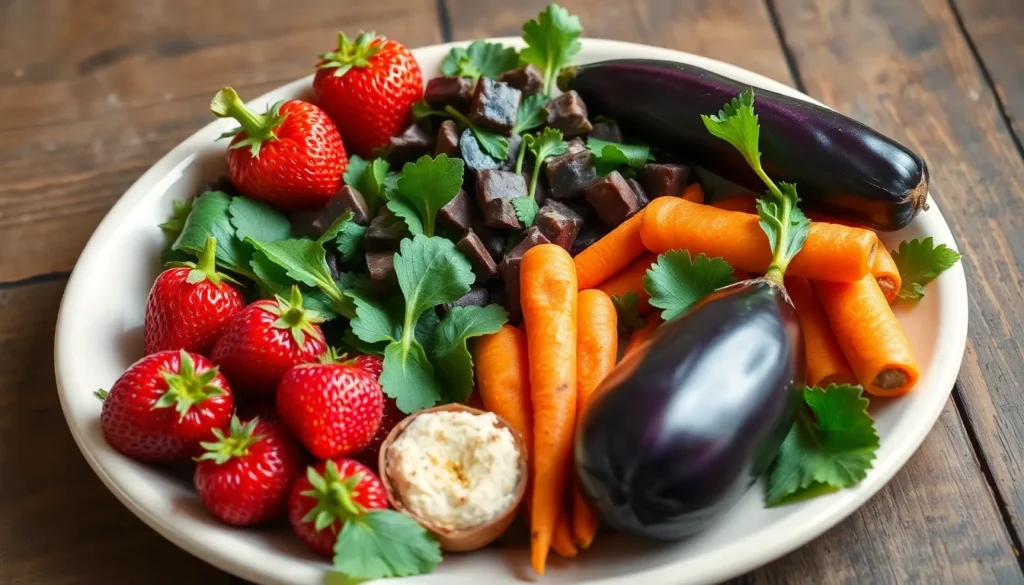
Colour significantly affects food perception, influencing both emotional responses and nutritional choices. Vibrant hues entice diners and convey freshness, making them an essential aspect of culinary arts.
Psychological Impact on Consumers
Colors evoke emotions, triggering memories and creating expectations about taste and quality. Research shows people associate red with sweetness and yellow with freshness. Such associations influence purchasing decisions and overall enjoyment. Studies indicate appetizing colors can increase appetite, prompting consumers to choose visually appealing dishes over bland alternatives. A multi-colored plate can stimulate interest and satisfaction, encouraging diners to explore diverse flavors. Chefs often leverage color to craft memorable dining experiences, reinforcing the idea that visual appeal is crucial in attracting customers.
Nutritional Perception
The colors in food often signal the presence of specific nutrients. For instance, green vegetables indicate high vitamin content, while deep reds suggest antioxidant properties. Many studies emphasize that consumers are more likely to perceive colorful foods as healthier. Bright orange foods, such as carrots, suggest beta-carotene, known for promoting vision and immune support. Blue and purple fruits are often recognized for their heart health benefits due to anthocyanins. White foods, such as garlic, indicate anti-inflammatory properties. Thus, vibrant hues not only enhance plate aesthetics but also reflect nutritional value, guiding healthier food choices.
Sources of Natural Colourants
Natural colourants originate from various sources, primarily plants and animals, providing vibrant hues and health benefits.
Plant-Based Colourants
Plant-based colourants derive from vegetables, fruits, and spices, making them widely used in food products. For example, beet juice imparts a deep red shade, while turmeric offers a golden yellow tint. Spinach yields green pigments, and carrots contribute orange hues, all packed with nutrients. These natural colourants attract consumers by enhancing visual appeal and signaling nutritional value. Additionally, their antioxidant properties support health, making them a preferred choice for food manufacturers focused on clean labels.
Animal-Based Colourants
Animal-based colourants primarily originate from insects and marine life. Cochineal extract, sourced from cochineal insects, provides a vibrant red color widely used in beverages and candies. Another example includes annatto, extracted from achiote seeds, also found in some dairy products. Natural sources like these allow manufacturers to appeal to consumers seeking traditional ingredients. Utilizing these colourants emphasizes the importance of transparency in food sourcing while enabling richer, more appealing products.
Applications of Colour in Food
Colour plays a significant role in various applications within the food industry. From marketing strategies to culinary presentation, colour influences consumer choices and enhances meals.
Marketing and Branding
Companies utilize colour to establish brand identity and appeal to target audiences. Sites often use bold, vibrant hues to attract customers’ attention, with red and yellow being particularly effective in fast food marketing. Research shows that colour can evoke emotions, making it vital for packaging design. Studies found that 85% of consumers base their purchasing decisions on colour. Consistent colour schemes foster brand recognition, reinforcing loyalty among customers. By integrating the psychology of colour into marketing, brands communicate freshness and quality, driving sales.
Culinary Aesthetics
Presenting dishes in visually appealing ways relies heavily on colour. Chefs prioritize colour combinations to create balance and excitement on the plate. A diverse array of colours enhances the dining experience and engages the senses, encouraging diners to explore flavors. Bright hues signal freshness, while contrasting colours promote appetite and enhance perceptions of taste. Many culinary professionals emphasize the importance of using a variety of fruits and vegetables, as these naturally colourful ingredients contribute to both nutrition and aesthetic appeal. Visually pleasing dishes can elevate meals, making them memorable experiences.
Regulations and Safety Considerations
Color additives in food must comply with specific regulations to ensure safety and consumer transparency. The FDA regulates these additives, classified into two categories: certified and exempt color additives. Certified colors, like Red 40 and Yellow 5, undergo rigorous testing and approval processes. Exempt colors, derived from natural sources, often include beet juice and turmeric.
Compliance with regulations is crucial for manufacturers. Each color additive must be used according to established limits and intended applications. Labeling is essential; products containing artificial colors must clearly state their presence. Many consumers prefer products free from artificial colorants, which increases demand for natural alternatives.
Understanding safety considerations when using color additives is vital. Toxicological studies assess the potential health risks associated with synthetic colors. Recommendations from health organizations stress the importance of continued monitoring of these additives.
Transparency in sourcing colorants remains a priority. Consumers favor brands that openly disclose their color sources, enhancing trust. Many manufacturers are adapting to these preferences by incorporating more natural colorants into their products. For instance, beet juice and spirulina are popular choices due to their health benefits and vibrant colors.
Regular audits of color additives ensure compliance with safety regulations. Companies must remain vigilant about evolving guidelines. Overall, the regulatory landscape surrounding color in food emphasizes safety and transparency, aligning with consumer preferences for healthier, more natural food options.
Color in food plays a pivotal role in enhancing both visual appeal and health benefits. By incorporating a variety of vibrant hues into meals, individuals can not only enjoy a more stimulating dining experience but also reap the nutritional rewards associated with each color.
As consumers become more aware of the importance of natural colorants and their health implications, the demand for transparency in food sourcing continues to grow. This shift encourages manufacturers to prioritize clean labels and healthier options.
Ultimately, embracing the significance of color in food can lead to better choices and improved well-being, making it essential for both chefs and consumers to appreciate the art and science behind colorful cuisine.


